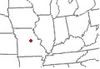
| Cattle imported from the United States to Canada primarily originate from the Northern Plains and Western U.S. regions. These shipments are largely driven by Western Canadian feedlots seeking feeder cattle, with high volumes moving from U.S. states such as Montana, South Dakota, Nebraska, and Iowa. [1, 2] Key details on U.S. to Canada cattle trade: - Primary Type: Most cattle imported into Canada from the U.S. are feeder cattle intended for finishing in feedlots, with 2024 and 2025 seeing record levels of these imports. [, 2]
- Key Source Regions: The main supply chain for these imports connects Western Canadian feedlots to U.S. Region 8 (Colorado, Montana, North Dakota, South Dakota, Utah, and Wyoming) and Region 7 (Iowa, Kansas, Missouri, and Nebraska). [1]
- Intertwined Market: The trade is driven by the need to fill feedlot capacity in Western Canada, despite a high-cost environment in 2025–2026. [1, 2]
- Record Imports: Despite forecasts of a decline in 2026, U.S. cattle imports remained critical for Canadian feedlot inventory in early 2026. []
While Texas and other southern states have higher total cattle inventories, the geographical proximity and specific market demands of Western Canadian producers favor the northern and central U.S. plains for sourcing, with major logistical hubs in Region 8 and Region 7 acting as key exporters. You think not cattle from Texas could make it to MO or Iowa or Nebraska? |

 2nd case of New World Screw worm found in Texas.


