|
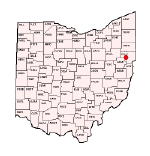
northeastern Ohio | I read the stories. Lets clear up some facts: The fire started in the building where they package shavings, NOT in the Harvestore. The fire spread quickly because shavings burn really well. The fire reached the Harvestore and it caught on fire.
After that, the details get fuzzy. We know the silo exploded, but we don't know the exact chain of events because the firefighters that witnessed it are not able to give us that information. One lost his life and the others are fighting for their lives. The investigators are looking into what exactly happened.
If the firefighters tried to inject water or foam into the Harvestore (oxygen limiting silo), that could have caused the explosion. Here is a firefighters guide to dealing with silo fires: https://oneidacountyny.gov/assets/FireCoordinator/Docs/AgriculturalE...
From page two of the guide:
Oxygen-Limiting Silo Firefighting
- Unlike conventional silo fires, fires in oxygen-limiting silos can cause an
explosion.
- It is imperative that FF’s be able to identify these silos.
- FF’s are killed when they inject water or foam into the burning silo.
- Since these structures are designed to limit the air that enters – smoldering fires
result.
- Produces combustible carbon monoxide.
- Allowing air into a carbon monoxide-rich atmosphere is dangerous.
- THEREFORE, DO NOTHING THAT WILL CAUSE MORE AIR TO BE
DRAWN INTO THE SILO. Do not open hatches or spray water inside.
- Remember there are many different brands of oxygen-limiting silos.
- Some are metal, some poured concrete.
- Many firefighters have been injured and killed employing incorrect tactics.
Upon arrival to an Oxygen-limiting silo fire:
1- Establish incident command & accountability system.
2- Perform 360-degree view, checking for exposure problems.
3- Confirm Pre-Plan information on the silo involved.
4- Have the farmer respond , if not there already.
5- Have the farmer move any livestock, machinery, etc. from the immediate area.
6- Do nothing that will increase the amount of air inside the silo. Do not open any hatches
or unloader doors and do not inject any water or foam. (continued)
7- If the silo is shaking, hot, noisy, smoking heavily, or has been opened up in the past
few days, stay off it.
8- If the silo is quiet, motionless, and cool and smoking minimally, and has not been
opened in the past few days, close any open hatches and doors. Do not re-open these
once closed.
9- If barn walls are touching a hot metal silo, create a space between the two to keep fire
threat lower.
10- If the silo is well-sealed, the fire may self-extinguish.
If the fire continues to burn after two weeks, carbon dioxide or nitrogen gas may be
injected to extinguish the fire. Harvestore repair people are able to assist with this
operation. The farmer will need to empty the silo. Hot silage leaving the silo will need
to be dealt with.
| |
|

 Harvestor becomes deadly Blue Rocket


