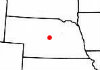
East of Broken Bow | johnk - 4/9/2026 05:46
Ethanol is an oxygenate. Its combination with gasoline cuts down on pollution emissions from internal combustion gasoline engines. This was its first use and it would take the place of a petroleum based oxygenate called MTBE. MTBE is highlycarcinogenic. Ethanols use expanded from there.
Under president bush tax incentives were put in place to facilitate its use. From there it took off as a fuel source. If I’m correct 1 bushel of corn can yield 2.8-2.9 gallons of ethanol AND around 29-30# of high quality and high protein animal feed call dried distillers grain (ddgs). It is highly palatable and cattle love it. I added it to hog feed at a low rate for years.
I would make the case that grain based ethanol is “regenerative” because the grain used as a feed stock uses solar energy ( photosynthesis for plant growth) to produce the main raw material.
Ethanol fuel works well and burns cleanly in combination with gasoline. Its production , as a side benefit , creates many high quality jobs through out the Midwest. It is a completely safe product that is produced entirely in the US. None come through the any mid east straits and no one has ever sent a US navy carrier group up the Mississippi to protect an ethanol plant.
I hope this is mostly correct. It’s an American success story.
To add to your very good explanation, the ddgs are very nutrient dense. They say a rule of thumb is you get 1/3 of the corn back as livestock feed, but that is only part of the story. Generally you can use 1# of DDGs where you would use 2# of corn, so the feed 'loss' is not what some make it out to be. You may be getting back only 1/3 the weight, but you are getting about 2/3 of the feed value. The caveat being that you can only substiture so much DDGs in a feed ration before it becomes too 'hot'. |

 Educate me on ethanol


