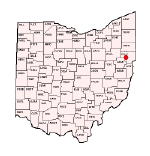
northeastern Ohio | OilfieldCows - 12/22/2025 08:15
Thank you Jay.
I really enjoy reading of other people's success and what they attribute it to.
I have tried "over seeding" and the plants that showed up were pretty and all in a row even right up beside the old plant. I was thrilled, they were an inch high and growing everywhere. That was the fun part of learning. The other half of the lesson was, in less than 2 weeks after my screaming success came another lesson. I could not find one of the new plants anywhere. I left it for another season to see if it would show up again and nope, it never did.
I blamed it on autotoxicity. After trying to figure that out I remembered that autotoxicity doesn't let the seed germinate?? I know there is a reason this happened but it still eludes me. Maybe someone knows out there but I suspect there are variables I am missing in the reporting of this that makes the solution elusive. It is however our responsibility to listen to other experiences, consider other's conclusions, and create more personal experiences to draw from.
My plan going forward is to disk old alfalfa black and seed oats for 2 years. The 2nd year also seeding alfalfa with it.
1. If it is a fact that autotoxicity does still exist. From past experience I am still guessing it does still exist.
2. If it truly is distributed by the crown, then destroying is 2 years in a row should minimize its impact on future plants even though the old plant can still exist.
I am still wondering why for sure disking makes new plants. Disking, everything above ground is now under the ground and the root has been separated from the plant. I'm seeing new plants without a doubt. Is it the old seed, the chopped up plant, or the severed root growing 2 plants where there was only one before? Nonetheless, disking while the plant is in it's dormant stage produces this result.
Actually, autotoxicity does not inhibit germination. The decaying residue from the alfalfa plants release phenolic acids that inhibit root elongation. The seed will sprout and emerge, but the roots cannot get through the layer of allelochemical compounds and the seedling alfalfa will die because it can't access water and nutrients deeper in the soil. Compacted soils make the problem worse because oxygen can't get to the chemicals to break them down.
Deep plowing can speed up the breakdown process by oxygenating the soil and also by diluting the chemicals with soil below their depth.
But as I stated in past posts, breeders have bred modern alfalfas to have less of these chemicals. Therefore, a lot of the problem with reseeding too soon is the diseases, nutrient deficiencies and compaction. These take time to resolve but they also mimic the symptoms of autotoxicity. |

 Alfalfa / autotoxicity


