|
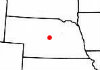
East of Broken Bow | LOTS of tree cutting around here, with lots of different machines working on them.
First off, how big of trees are we talking about? Shears are great for smaller trees, as you only need to open the shear enough to catch the tree, pinch it off and go on to the next. Generally speaking, the shears will cut what they say they will cut, but you need to read the fine print at what PSI that is. If it cuts a 20 inch tree at 5000 psi and you only have 3000, you won't be happy in big trees.
Some people use the thing that is like a big saw blade. Those have IMO, only one thing going for them, and that is speed. They will throw wood chips, small branches, rocks, etc all over the place. I've seen many broken windshields from those.
One thing that might be kind of regional, as it was invented in Nebraska (by a friend of my dad none the less) would be the Marshall Saw. It is kind of a cross between a saw and a shear. It uses a low-speed blade to 'cut' through the tree instead of flat shear blades. It is hard to explain but easy to see in the pictures/videos but when it cuts one tree, it is automatically reset to cut another. Slower than a shear in small trees, as it needs to make a full cycle in every cut where with a shear you only need to open them enough for the next tree to cut. If you are doing your own work, I really like the Marshall Saw as it is easy on your machine - the tree is cut between the blade and a stationary shear bar, you just drive so the bar is against the tree, and all the pry is in the shear itself. It also will cut a very big tree. I have never seen one stalled out, in big trees, you saw from one side, then the other if the tree is bigger than the blade. You can't do that with a shear, if it doesn't fit in the 'V', you can't cut it. Gets big trees, and doesn't pry or hammer against your machine, but it is fairly heavy. Built really well, I've never seen one cracked or broken. Only real wear part is the blade.
Disadvantage is that it is slower than a shear on small to medium trees, and is heavier than a scissor type shear. However for doing it yourself, if taking a little extra time is worth extra safety and being easier on your machine, I far recommend them over a high speed saw. If you have large trees, it will get bigger trees than most shears.
https://marshalltreesaw.com/gallery/#video
For a shear that can handle big trees, DYMAX is pretty popular around here, but it takes a big machine to handle one. They make shears with built in grapples so you can carry the trees you shear where you want them as you cut.
https://dymaxinc.com/attachments/forestry/
There are lots of different makes of tree shears, but from observation the ones where both sides of the shear move will cut a bigger tree, but put more stress on your equipment than a shear that has one stationary blade. The exception would be the Marshall Saw as you can cut 16" trees in one bite, and go double that size if you cut from both sides. Bigger trees than that can be cut, but to go much bigger than 30" trees means you have to cut from all sides.
| |
|

 Tree Shear or saw


