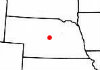
East of Broken Bow | JC STONE - 12/14/2025 11:13
Don't know if I have ever seen the spread so wide as far as value of farmland versus the roi on such land. The opportunity cost spread between land and "safe" equities or other investements has to be huge. Say 3 % at the most on land versus at least 7% on other stuff. But guys want to cash out of good paying investments to buy land.
I can only see the spread get wider especially if NEIAG is correct.
Almost like there is 2 farm economies , currrent grain prices don't justify current land values.
Had to pass on a farm that I have waited 40 years to buy. Just didn't make sense. Heart said yes , head said no.
Goes both ways. There were 3 parcels of land that sold near us in the last 15 years or so. One was bought at what would now be considered a low price, but during hard times when everyone was tight with money. Within 3-4 years things turned around, and it was worth more than double what the buyer paid for it. It was a place we were lightly interested in, but didn't even bid, as we had little to no spare cash for the down payment, and didn't want to leverage what we already owned if things stayed bad.
Parcel #2, we actually bought, just as things started looking better. Price was up a bit from the first parcel, and things were still uncertain, but it was right across the fence, so we bit the bullet and bought it. For the first couple years it looked like we might have made a mistake, because the land price went up much faster than the value of what it would produce, but we hung on to it and are now over the hump, and things are looking better.
Parcel #3 was sold at the high. I remember the Real Estate agent going around trying to sell it was going on about how there will never be another chance to buy it in our lifetimes. It is on it's 3rd owner since then.
So, I guess, looking back, it is more a matter of timing than anything else, whether or not the land for sale is a good or a bad buy. One thing I will say is that those who saved in the good times, so they had at least some cash on hand in the bad times seemed to be the ones who wound up better off than those who bought on the high (with the exception of those with enough wealth that a drop in value didn't matter to them). |

 Land rich and cash poor


